
Shalean · Cape Town · Tips & how-to
10 Essential Cleaning Tools for a Well-Maintained Home
Build a practical home-cleaning kit with ten useful tools, safer storage habits and tips for preventing cross-contamination.
Start here: book regular home cleaning in Cape Town — scope and totals lock online before we dispatch.
Most guides tie back to standard home cleaning in Cape Town and the wider services overview—add your suburb at checkout for availability.
On this page· 1. Colour-coded microfibre cloths(tap to expand)
- 1. Colour-coded microfibre cloths
- 2. Vacuum cleaner with attachments
- 3. Mop suited to your flooring
- 4. Bucket
- 5. Soft and firm brushes
- 6. Squeegee
- 7. Extendable duster
- 8. Protective gloves
- 9. Spray bottles with clear labels
- 10. Carry caddy
- Maintain the kit
- Choose quality over novelty
- Create a colour-coding system
- Vacuum and mop maintenance
- Useful specialist additions
- Organise products with the tools
- A simple weekly tool check
- When household tools are not enough
- Build the kit gradually
- Keep an inventory
- Plan the order of work
- Frequently asked questions
A useful cleaning kit does not need dozens of gadgets. A small group of appropriate, well-maintained tools can handle most routine household tasks more efficiently.
1. Colour-coded microfibre cloths
Use different colours for bathrooms, kitchens and general surfaces. This helps prevent a cloth used near a toilet from reaching a food-preparation area.
2. Vacuum cleaner with attachments
A crevice tool and upholstery attachment extend the vacuum’s usefulness. Empty the container or replace bags and clean filters according to the manufacturer’s instructions.
3. Mop suited to your flooring
Choose a mop compatible with the floor finish. Excess water can damage laminate, timber and poorly sealed joins.
4. Bucket
Use a stable bucket and avoid filling it so heavily that carrying becomes unsafe. A separate bucket for bathroom work can improve hygiene control.
5. Soft and firm brushes
A soft brush helps with delicate areas, while a firmer brush can loosen residue on durable surfaces. Test first to prevent scratching.
6. Squeegee
A quality squeegee can reduce streaks on suitable glass and shower screens. Keep the rubber edge clean and replace it when damaged.
7. Extendable duster
This helps reach corners and fittings without standing on unstable furniture. High or hazardous areas may still require professional equipment.
8. Protective gloves
Use gloves appropriate for the product and task. Replace torn gloves and wash reusable pairs as directed.
9. Spray bottles with clear labels
Only use compatible containers, label them clearly and never reuse drink bottles. Do not mix products unless their labels specifically permit it.
10. Carry caddy
A caddy keeps supplies organised and reduces repeated trips. Store it securely away from children, pets, food and heat.
Maintain the kit
Wash cloths and mop heads, disinfect tools where appropriate, dry brushes and check product expiry dates. Dirty equipment can spread residue instead of removing it.
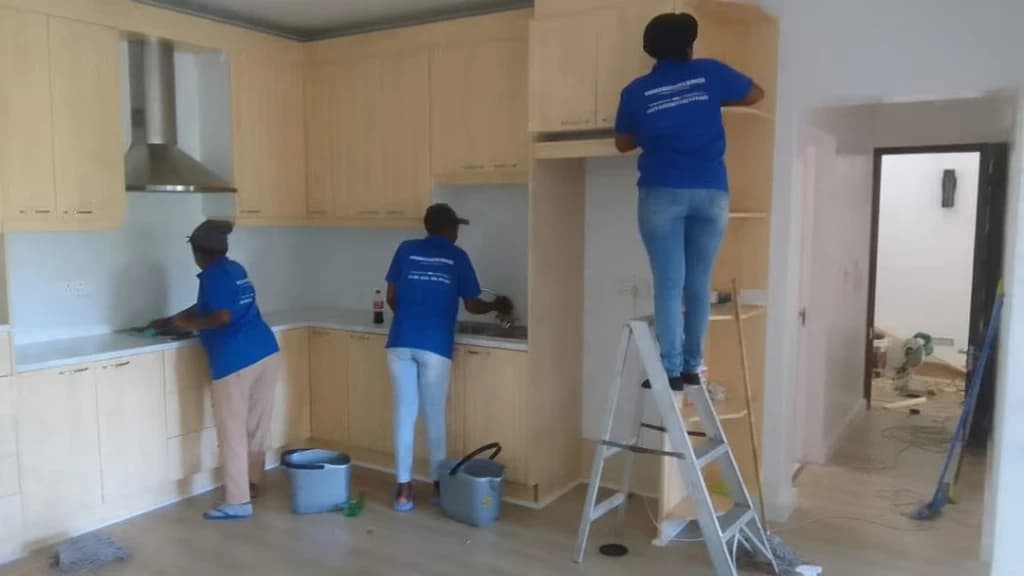
For a whole-property clean, professional teams can bring the labour and agreed equipment needed for a defined service.
Choose quality over novelty
Cleaning tools should be selected for compatibility, durability and ease of maintenance. A fashionable gadget is not useful if it scratches a surface, cannot be washed or requires awkward storage. Begin with the property’s floor and surface care instructions, then buy only what supports those needs.
Create a colour-coding system
Assign colours consistently—for example, one for toilets and bathrooms, another for kitchens and another for general dusting. The particular colours matter less than the rule. Store and wash them separately where practical, and teach everyone in the household the system.
Replace cloths that retain odours, remain greasy after washing or have damaged fibres. A clean-looking cloth can still move contamination between rooms if it has been used indiscriminately.
Vacuum and mop maintenance
Check the vacuum head for tangled hair and fibres. Blocked filters reduce suction and may release dust back into the room. Follow the manufacturer’s schedule for washing or replacing filters, and ensure washable parts are fully dry before reassembly.
Rinse mop heads after use and allow them to dry in a ventilated place. A damp mop stored in a closed bucket can develop odours and spread residue at the next use. Keep floor tools away from food-preparation equipment.
Useful specialist additions
Depending on the home, useful additions may include a non-scratch scraper approved for the relevant surface, a small grout brush, a lint roller for upholstery or a separate outdoor broom. These are optional, not substitutes for the core kit.
A step ladder should only be used when stable, suitable for the task and operated according to its safety instructions. Never balance on chairs or furniture to reach high areas.
Organise products with the tools
Keep product labels readable and caps closed. Do not store incompatible chemicals where leaks could combine. Retain safety instructions and avoid decanting substances unless the new container is approved, compatible and unmistakably labelled.
When filling a spray bottle, follow dilution directions exactly. Making a solution stronger can damage surfaces, increase exposure and leave sticky residue without improving cleaning.
A simple weekly tool check
Empty the vacuum and inspect its filters.
Wash used cloths and mop heads.
Rinse and dry brushes and buckets.
Check gloves for holes.
Return products to secure storage.
Replace damaged labels or containers safely.
When household tools are not enough
Carpet extraction, high exterior windows, post-construction residue and hazardous contamination may need specialist machinery and trained handling. Renting equipment without understanding the material can cause over-wetting, scratching or chemical damage.
A professional service should confirm which equipment is included and whether the requested task falls within its scope. Your home kit remains valuable for daily maintenance between those appointments.
Build the kit gradually
Start with cloths, a compatible mop, a vacuum, brushes, gloves and secure storage. Add tools only when a recurring task justifies them. Maintaining ten reliable items is safer and more economical than collecting products that are rarely used or poorly understood.
Keep an inventory
Write the purchase date on replaceable filters and keep equipment manuals together. An inventory reduces duplicate purchases and reminds the household which tool belongs to each task. It also makes it easier to notice when gloves, cloths or brush heads need replacement.
Review the kit before seasonal deep cleaning. Recharge cordless tools, inspect cables and discard damaged equipment through an appropriate waste route. Never continue using electrical equipment with exposed wiring or water damage.
Finally, keep tools accessible to adults but secured from children and pets. An organised kit saves time, but safe storage and correct technique are what turn ordinary equipment into an effective cleaning system.
Plan the order of work
Gather the required tools before starting, ventilate the area and work from cleaner zones toward dirtier ones. Dust higher surfaces before vacuuming floors so settled particles are collected at the end. Use a fresh cloth when moving from bathrooms to other rooms.
Avoid carrying an overloaded caddy or leaving equipment across walkways. Return each item after use, clean it and allow it to dry before storage.
Good tools support good technique; they do not replace it. Reading instructions, separating hygiene zones and maintaining equipment will improve results more reliably than purchasing a large collection of specialised gadgets.
Trusted cleaning services across Cape Town with upfront pricing
Whether you need move-out cleaning in Cape Town, Airbnb turnover in busy areas like Sea Point or the CBD, or regular home cleaning in Claremont, Rondebosch, or Gardens, you can match the service to your needs. Many households start with standard cleaning services in Cape Town and add deep cleaning services when kitchens, bathrooms, or high-use areas need extra attention. Hosts often combine Airbnb cleaning with occasional deep cleans between peak bookings. When you are ready, book online and add your suburb at checkout.
Related Cleaning Services in Cape Town
Explore Cape Town-wide service guides, high-intent suburb hubs, and pricing—then book cleaning online in Cape Town when you are ready.
Keep exploring
Cleaners near you in Cape Town
Jump to a suburb hub or service guide, then continue to booking with the same pricing flow.
Services
Frequently asked questions
Practical follow-ups readers ask before booking—expand any item for detail.
Share
Related articles
Keep reading—more Cape Town cleaning guides from Shalean.

How to Remove Tough Kitchen Grease Without Damaging Your Surfaces
Learn how to remove sticky and burnt-on kitchen grease safely from cabinets, stainless steel, tiles, cooktops, and countertops.
Read more →Bathroom Mould on Tiles and Grout: What You Can Clean and When to Call a Specialist
A practical guide to cleaning light surface mould from bathroom tiles and grout, preventing its return, and knowing when specialist help is needed.
Read more →10 Cleaning Mistakes Cape Town Homeowners Make—and How to Avoid Them
Simple cleaning habits can spread dirt, leave residue, or damage surfaces. Here are 10 common mistakes and safer ways to clean your Cape Town home.
Read more →
Airbnb Cleaning Checklist for Hosts in Cape Town
Room-by-room Airbnb turnover checklist for Cape Town hosts: kitchens, bathrooms, floors, linen, and guest-ready finishing—plus what to brief cleaners before tight changeovers.
Read more →4.8★ Google rating · 137+ reviews
- ·Real feedback from Cape Town bookings—not anonymous listings.
- ·Transparent quotes tied to the home details you enter online.
- ·Support if schedules shift—we focus on dependable handovers.
Get your cleaning quote in Cape Town
See exact pricing and book online in minutes—your total stays tied to the rooms and tier you select.
Get instant quoteSame-day slots when capacity allows · Deep, standard, move-out & Airbnb